
Blog
Understanding CPR and the DRSABCD Action Plan
Meta Description: Learn what DRSABCD means, when and how to perform CPR, and why HLTAID009 CPR and First Aid Training are essential. Enrol in accredited CPR and Child Care First Aid courses in Perth with Medisync Training.
What Is CPR?
Cardiopulmonary Resuscitation (CPR) is a lifesaving technique used when a person’s heart stops beating or they are not breathing normally. It keeps oxygenated blood flowing to the brain and vital organs until advanced medical help arrives.
CPR doesn’t just help — it can be the difference between life and death. Early CPR, combined with defibrillation (AED use), can double or even triple a person’s chance of survival after a cardiac arrest.
In Australia, CPR is a core skill taught in the nationally recognised course HLTAID009 – Provide Cardiopulmonary Resuscitation, part of all First Aid HLTAID0011 and Child Care First Aid HLTAID012 qualifications.
What Does DRSABCD Stand For?
Before performing CPR, first responders follow the DRSABCD Action Plan — a simple, step-by-step guide recommended by the Australian Resuscitation Council (ARC).
D – Danger
Check for dangers to yourself, bystanders, and the casualty.
- Look for hazards such as traffic, fire, or electricity.
- Never put yourself at risk — your safety comes first.
R – Response
Check if the person is responsive.
- Gently shake their shoulders and ask, “Can you hear me?” or “Open your eyes!”
- If there is no response, move to the next step.
S – Send for Help
Call 000 (Triple Zero) immediately.
- If you’re not alone, ask someone to make the call while you continue with the next steps.
- Put the phone on speaker so the operator can guide you through CPR.
A – Airway
Check the mouth and airway for any obstructions.
- Open the mouth and look for foreign objects.
- If you see something, gently roll the person onto their side and clear it with your fingers.
- Once clear, tilt the head back and lift the chin to open the airway.
B – Breathing
Check for normal breathing — look, listen, and feel.
- Look for chest movement.
- Listen for breath sounds.
- Feel for air on your cheek. If the person is not breathing normally or only gasping, start CPR immediately.
C – CPR (Cardiopulmonary Resuscitation)
Start CPR without delay.
- Place the heel of your hand in the centre of the chest.
- Place your other hand on top and interlock your fingers.
- Push hard and fast — about 5–6 cm deep, at a rate of 100–120 compressions per minute.
- After 30 compressions, give 2 rescue breaths (if trained).
- Continue the 30:2 ratio until help arrives or the person starts breathing normally.
If you are untrained or unsure, hands-only CPR (continuous compressions) is still highly effective.
D – Defibrillation (AED)
Use an AED (Automated External Defibrillator) as soon as one is available.
- Turn on the device and follow its voice prompts.
- Attach the pads to the person’s bare chest.
- The AED will analyse the heart rhythm and deliver a shock if needed.
- Continue CPR until emergency help arrives or the person recovers.
How CPR Works
When the heart stops, oxygen supply to the brain and organs ceases almost instantly. Within minutes, permanent damage begins.
CPR works by manually pumping the heart through chest compressions, circulating oxygen-rich blood to the body’s vital organs. Rescue breaths supply oxygen, while compressions keep blood moving. Even partial circulation is better than none — it buys precious time until paramedics arrive with advanced life support.
🕒 When Should You Perform CPR?
Perform CPR if a person:
- Is unconscious and not responding.
- Is not breathing or breathing abnormally (gasping).
- Has no detectable pulse (if you’re trained to check).
Typical causes include:
- Cardiac arrest
- Drowning
- Electrocution
- Drug overdose
- Severe allergic reaction (anaphylaxis)
- Suffocation or choking
How to Perform CPR
Ensure the person is lying flat on a firm surface. Kneel beside them and position your hands, one on top of the other, in the centre of the chest. Keep your arms straight and shoulders directly over your hands for maximum effectiveness.
Push down firmly and evenly, allowing the chest to rise fully between compressions. Maintain a consistent rhythm, aiming for around 100 compressions per minute. It’s better to push harder than too lightly, even if it risks minor injury.
After a series of compressions, give two rescue breaths by tilting the head back, lifting the chin, and sealing your mouth over theirs, watching for the chest to rise. Continue alternating compressions and breaths until professional help arrives or the person begins to respond.
When you can stop CPR.
You should continue CPR until one of the following happens:
- The person shows signs of life, such as breathing normally, moving, or coughing.
- A trained medical professional or paramedic takes over.
- You are too exhausted to continue safely.
- The scene becomes unsafe (for example, danger from fire, traffic, or other hazards).
It’s important not to stop until one of these conditions is met, as continuous CPR significantly improves the chance of survival.
The Importance of Using an AED
AEDs are designed for public use, with clear voice prompts to guide you. They automatically analyse the heart rhythm and decide whether a shock is needed. AEDs are found in workplaces, shopping centres, gyms, and community areas across Australia.
Early defibrillation, combined with CPR, gives the best chance of survival. For every minute defibrillation is delayed, survival decreases by around 10%.
How to Learn CPR (HLTAID009)
The most effective way to gain confidence and skill is to complete a nationally recognised CPR course, such as HLTAID009 – Provide Cardiopulmonary Resuscitation.
During your training, you’ll:
- Learn the DRSABCD action plan step-by-step.
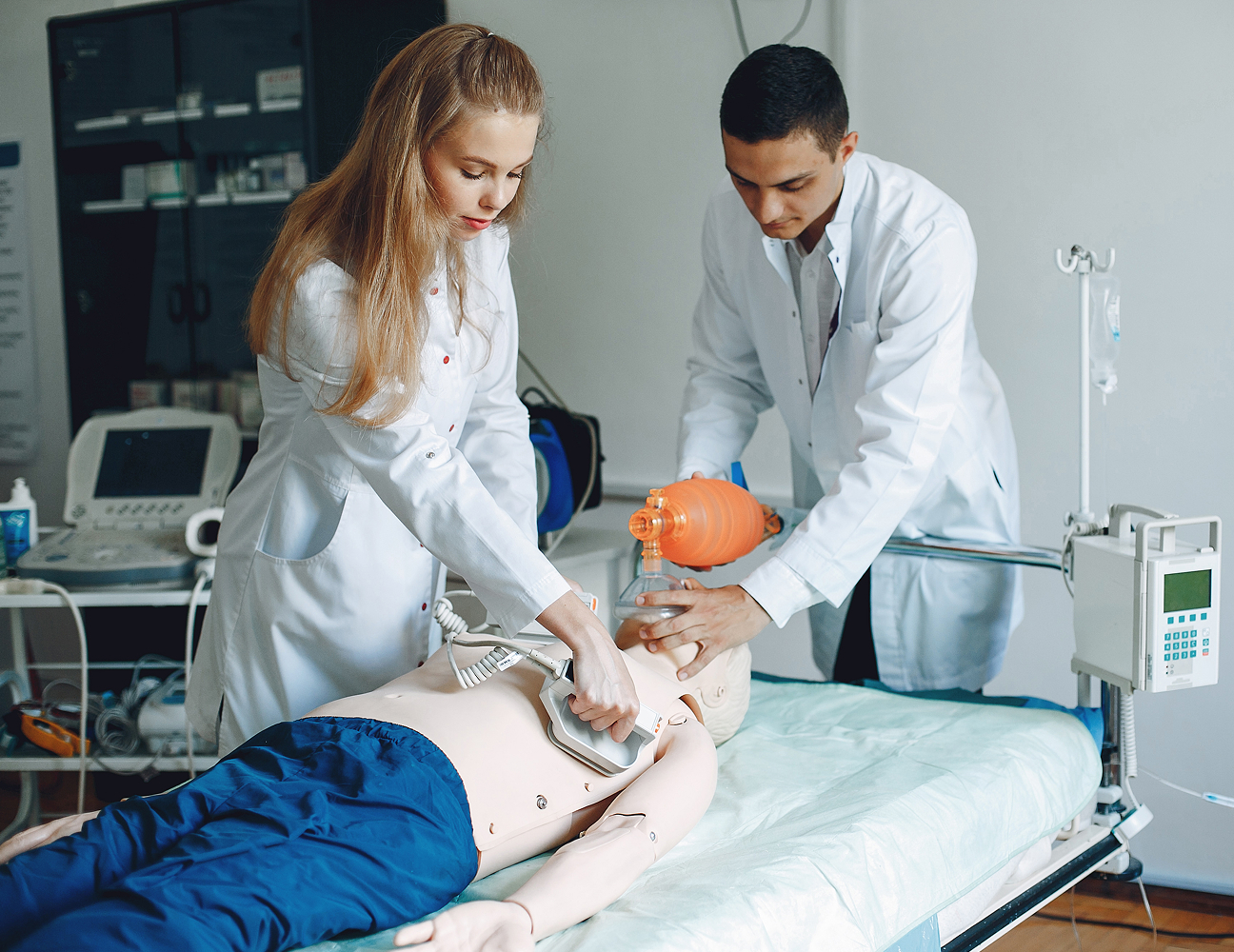
- Practise CPR on manikins with real-time feedback (like lights or compression sensors).
- Learn how to use an AED safely and correctly.
- Understand legal considerations and infection control measures.
This course is suitable for everyone — from workplace first aiders and teachers to parents, carers, and childcare educators.
For those working with children, the HLTAID012 – Provide First Aid in an Education and Care Setting (Child Care First Aid) covers CPR for infants and children in addition to adults.
How Long Is CPR Certification Valid For?
In Australia, CPR certification (HLTAID009) is valid for 12 months. The Australian Resuscitation Council recommends refreshing your CPR training every year, as skills and confidence can fade over time.
First Aid qualifications (such as HLTAID011 or HLTAID012) are generally valid for three years, but the CPR component must be updated annually.
🌟 Why Annual CPR Refreshers Matter
- Stay current with guidelines: CPR methods and ARC recommendations can change.
- Maintain confidence: Practising on manikins helps reinforce correct depth and rhythm.
- Workplace compliance: Many workplaces, especially those in healthcare, aged care, and education, require current CPR certification.
Regular training ensures you remain calm, confident, and capable when faced with a real emergency.
🙌 Empower Yourself to Save a Life
CPR is a simple skill that anyone can learn — and it can save someone you love. Every minute counts, and early CPR truly makes a difference.
At Medisync Training, we deliver accredited First Aid and CPR courses in Perth, including HLTAID009 – Provide Cardiopulmonary Resuscitation and HLTAID012 – Child Care First Aid. Our hands-on sessions are run by qualified health professionals who guide you through real-world scenarios and practical exercises.
👉 Enrol today to gain confidence, certification, and the ability to act when it matters most. Visit www.medisynctraining.com.au to book your next CPR or First Aid course.